Blue Sky Private Tours Costa Rica Book on WhatsApp
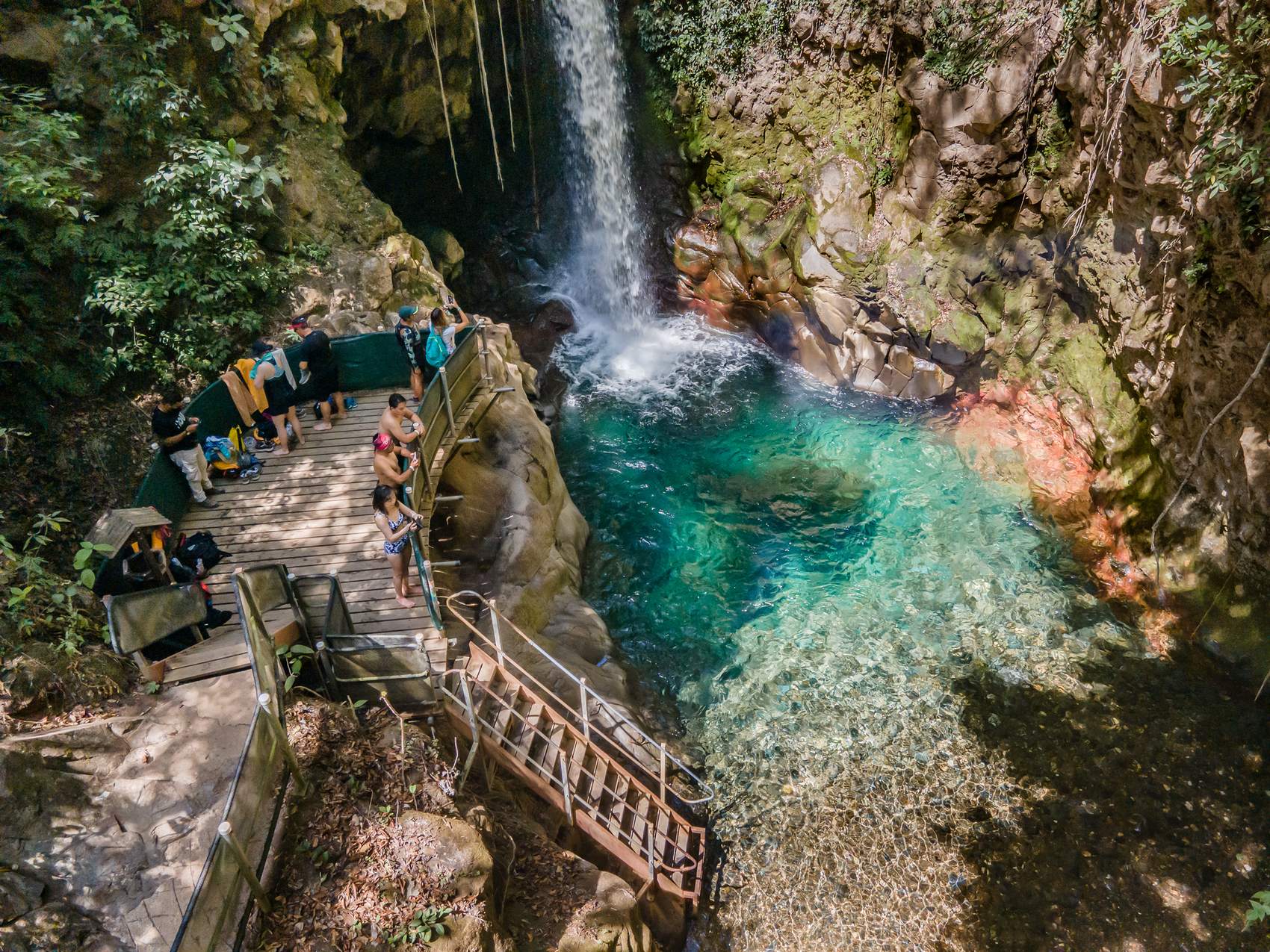
Oropéndola Waterfall and its turquoise pool
The Rich Coast

A small country with more life than it has room for

Rainforest, volcanoes, dry forest and the Pacific, all within a day trip of your hotel in Guanacaste.

5%of the world's biodiversity lives here
0.03%of the planet's land is all it takes up
900+bird species recorded in the country
1948the year Costa Rica abolished its army
Four worlds, one base

Wake up in the dry forest. Have lunch in the rainforest.

Guanacaste sits where four very different landscapes meet. Pick one and see what a day there looks like.
Rainforest Volcano Rivers & wetlands The Pacific
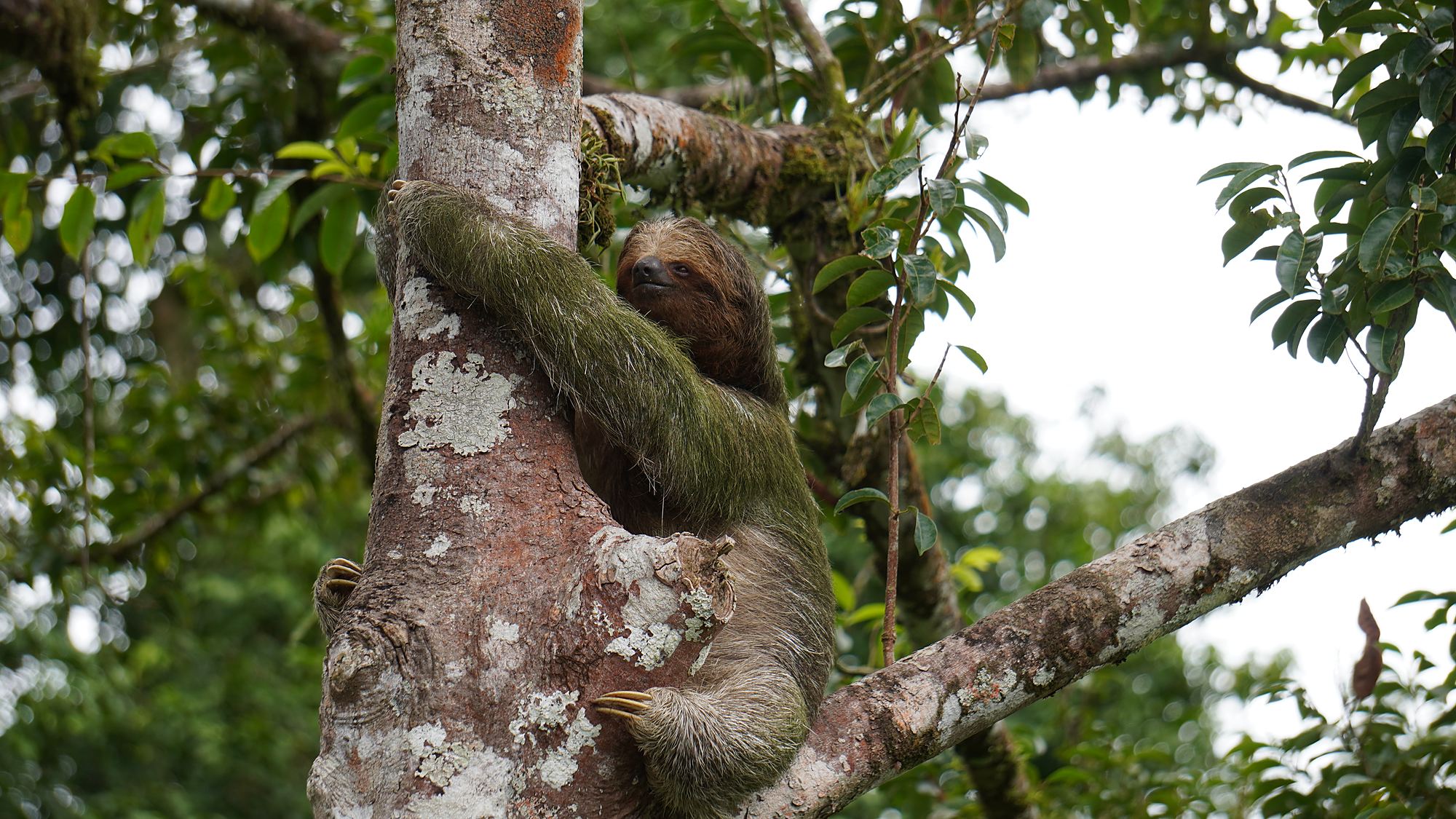
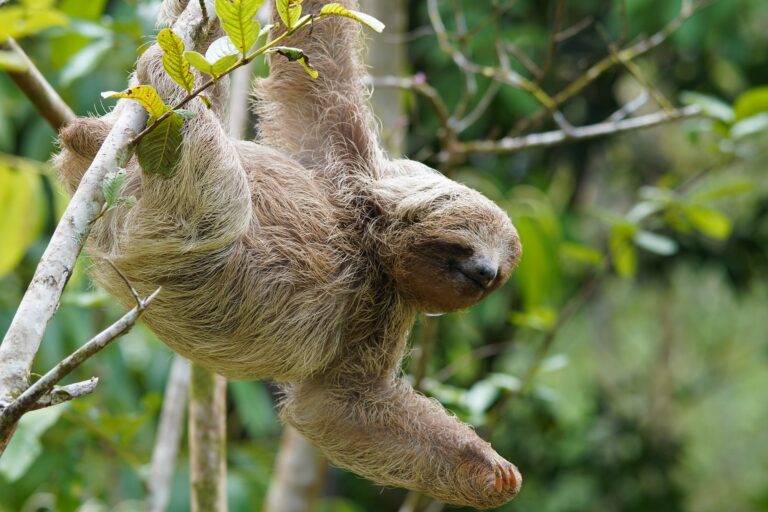
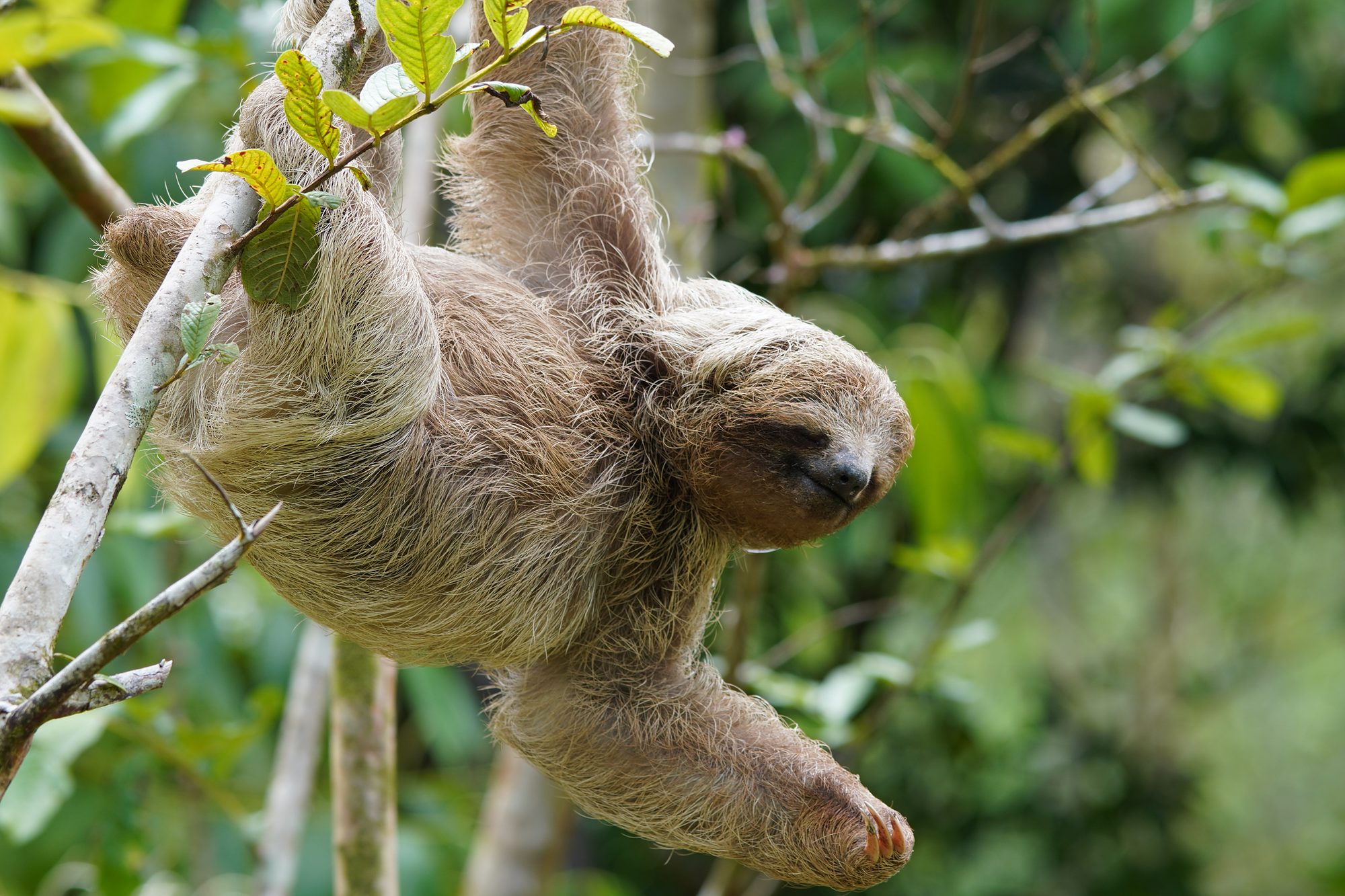
Three-toed sloth in the Tenorio rainforest

The Tenorio rainforest

Cross the mountains and everything turns green. This is where sloths sleep in the cecropia trees and toucans call from the canopy.

  • Sloths, toucans and red-eyed tree frogs
  • The sky-blue water of Río Celeste
  • Cacao and coffee grown on small farms
See the Sloth Encounter tour →
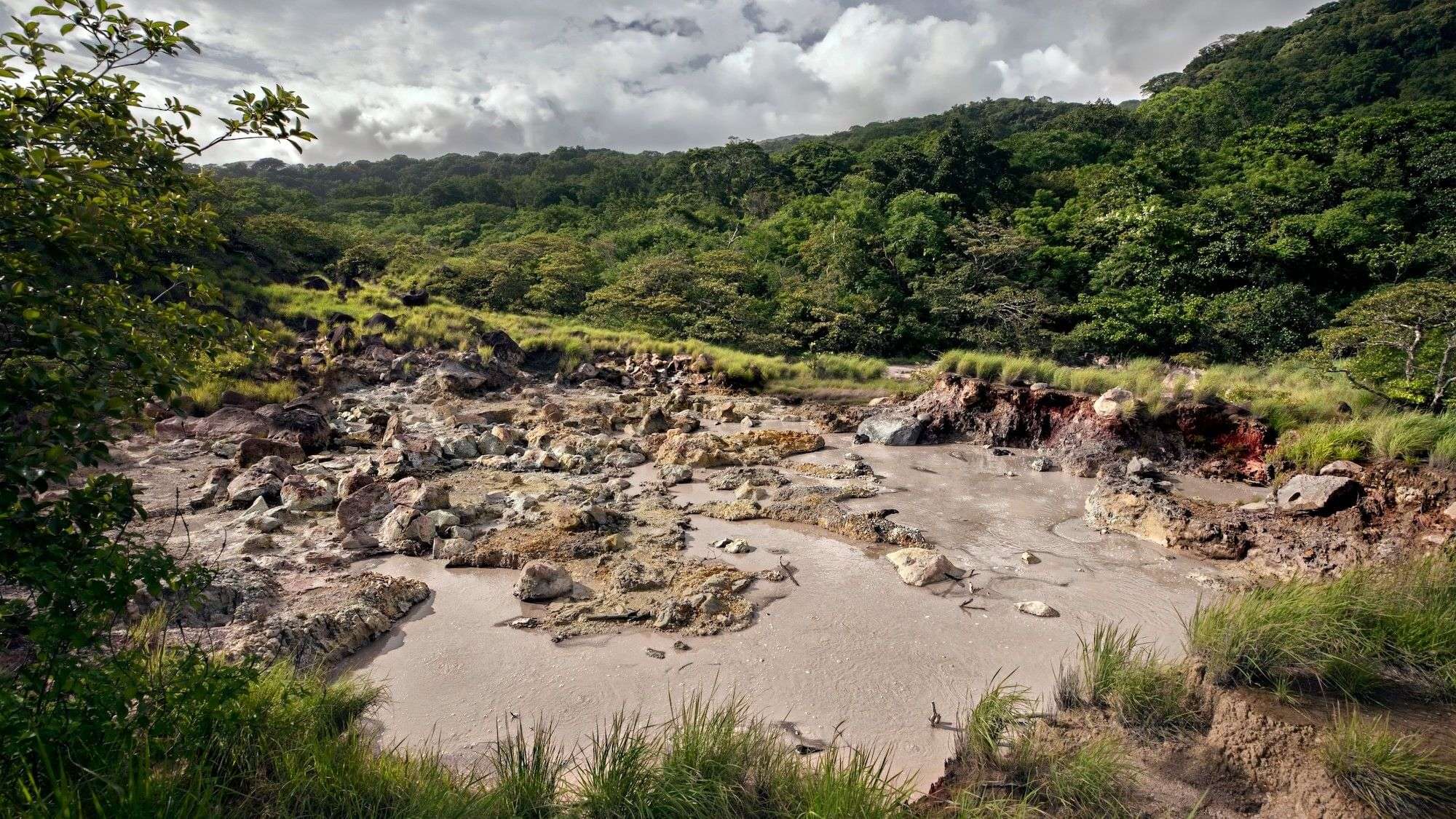
Volcanic mud pots at Rincón de la Vieja

Rincón de la Vieja

An active volcano you can walk on. The ground steams, the mud boils, and the day ends in a hot spring by the river.

  • Fumaroles and bubbling mud pots
  • A swim under Oropéndola Waterfall
  • Natural hot springs and volcanic mud
See the volcano hike →
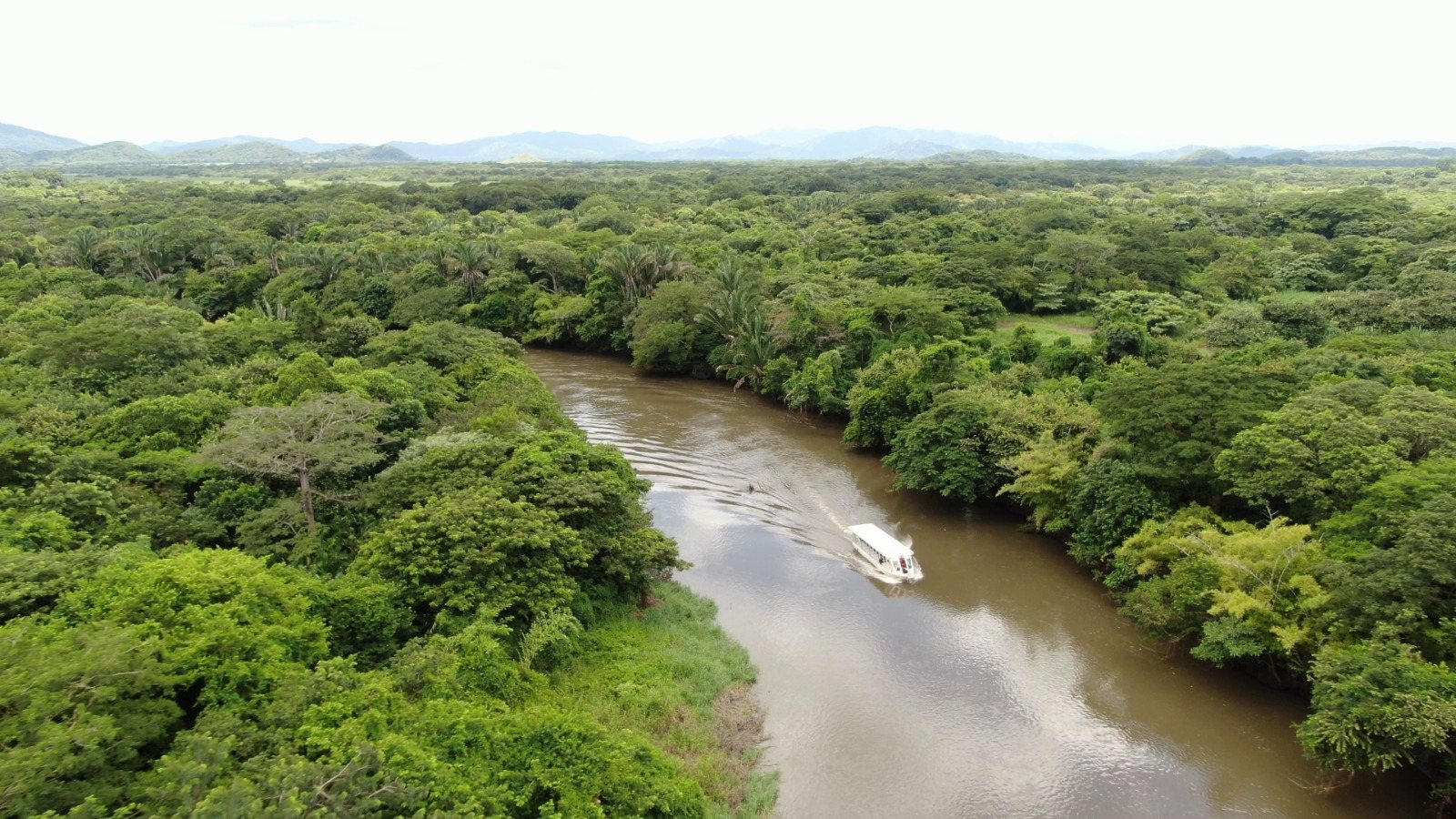
Tour boat on the Tempisque River

The Tempisque and Tenorio rivers

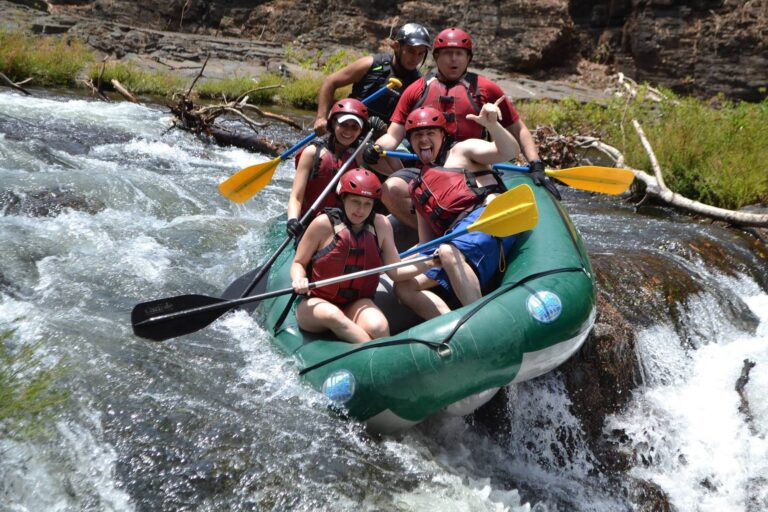
Slow water and a lot of eyes watching you. Crocodiles on the banks, monkeys overhead and herons in the reeds.

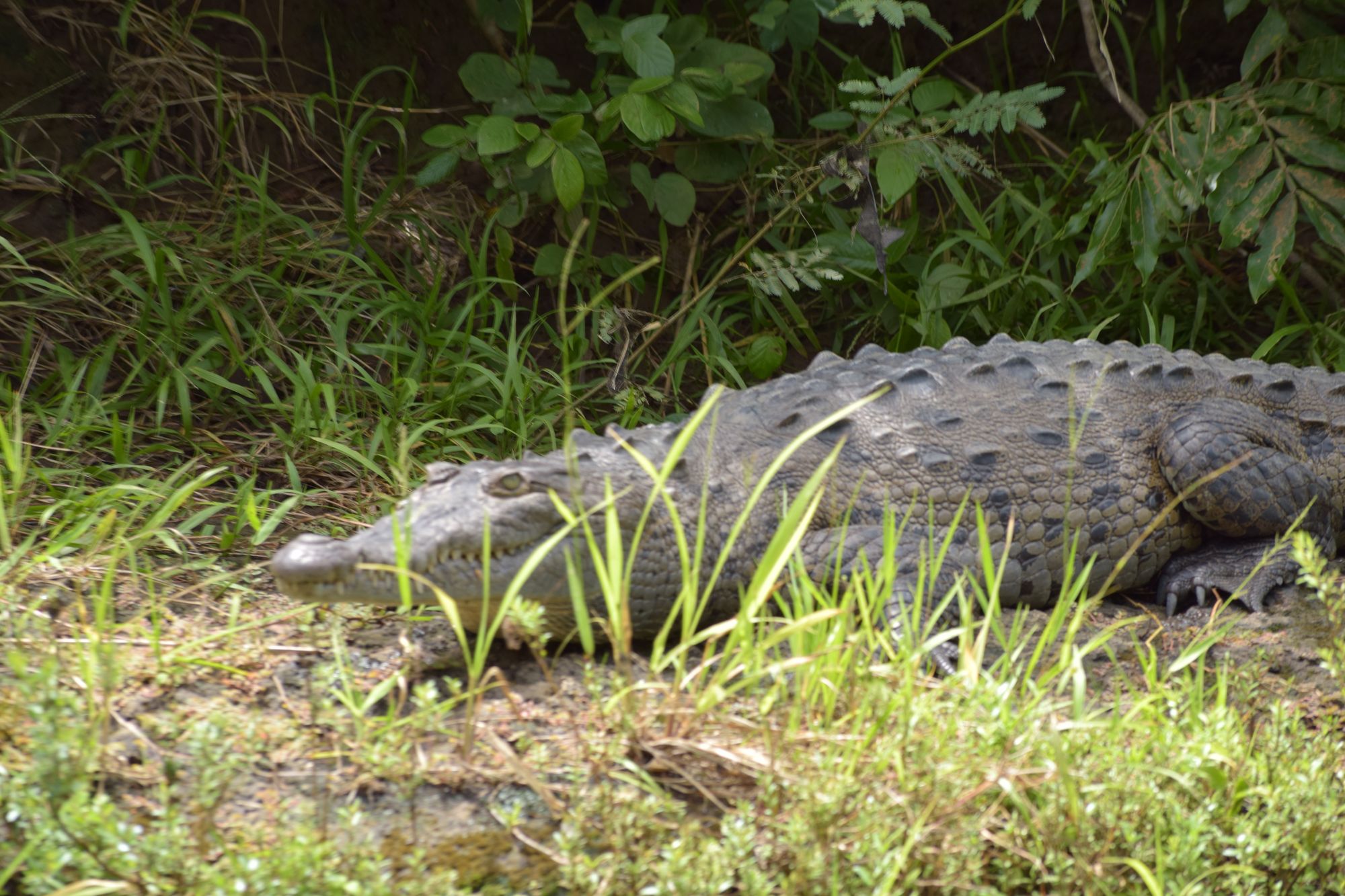
  • American crocodiles up close
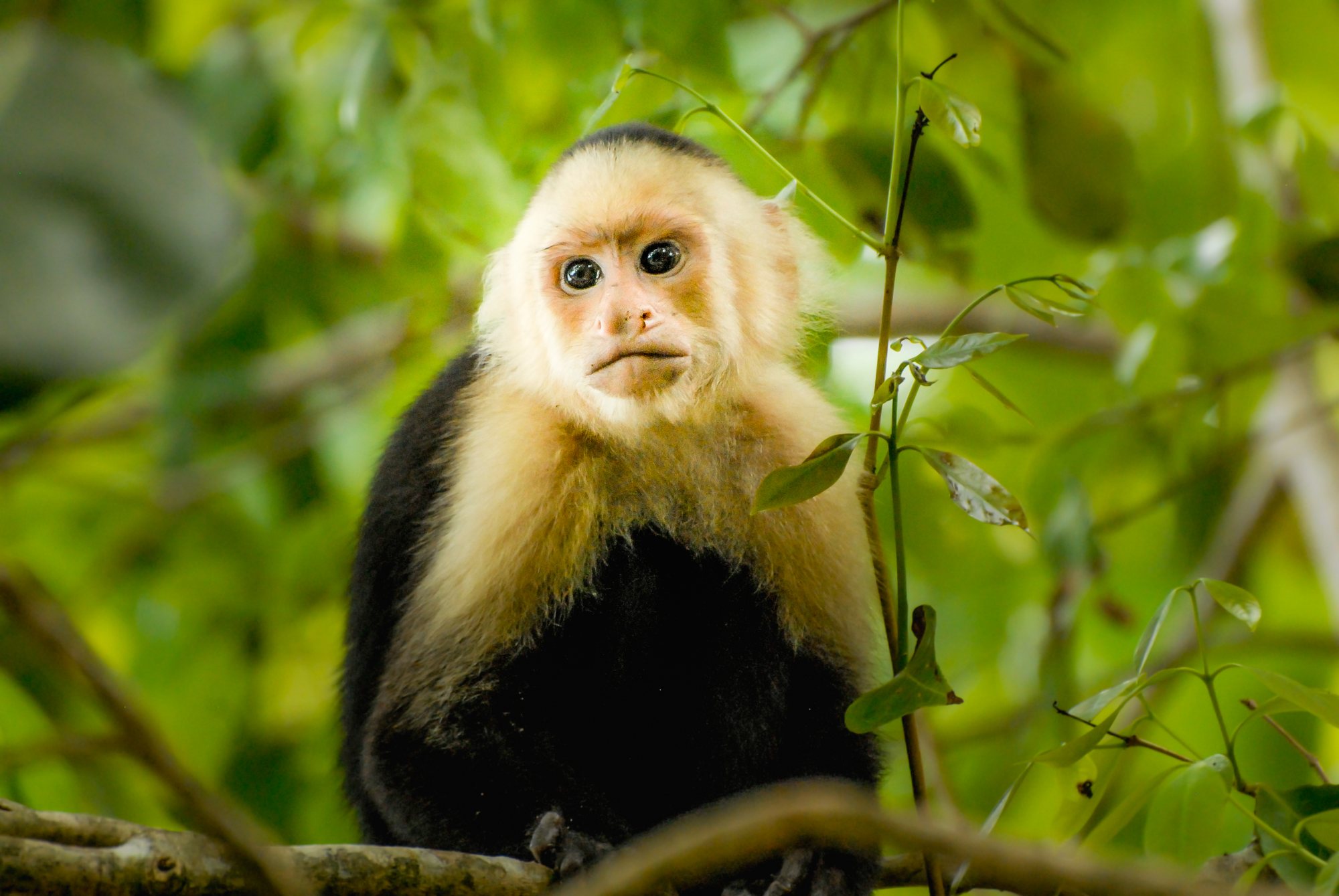
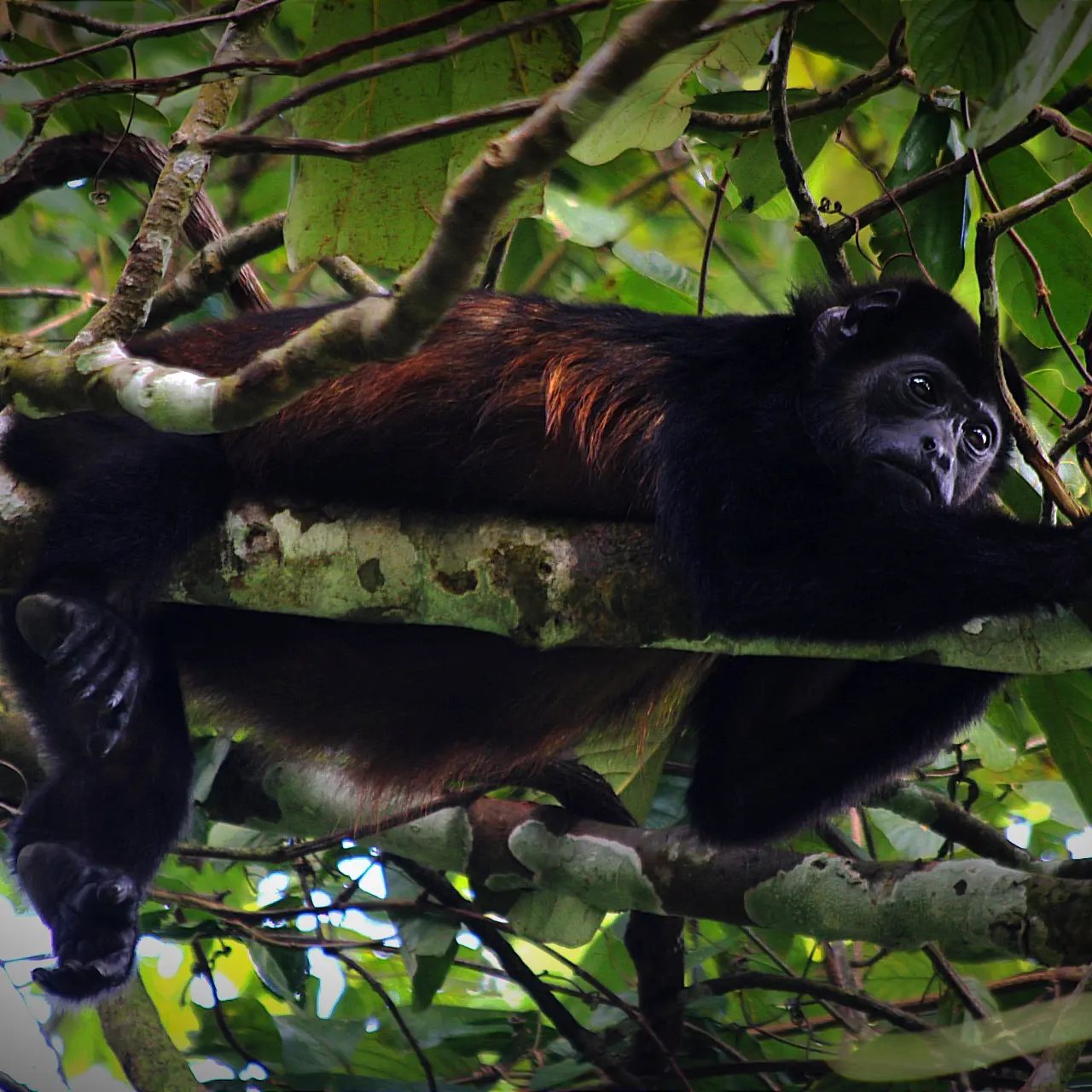
  • Howler and white-faced capuchin monkeys
  • Waterbirds of the Palo Verde wetlands
See the Palo Verde boat tour →
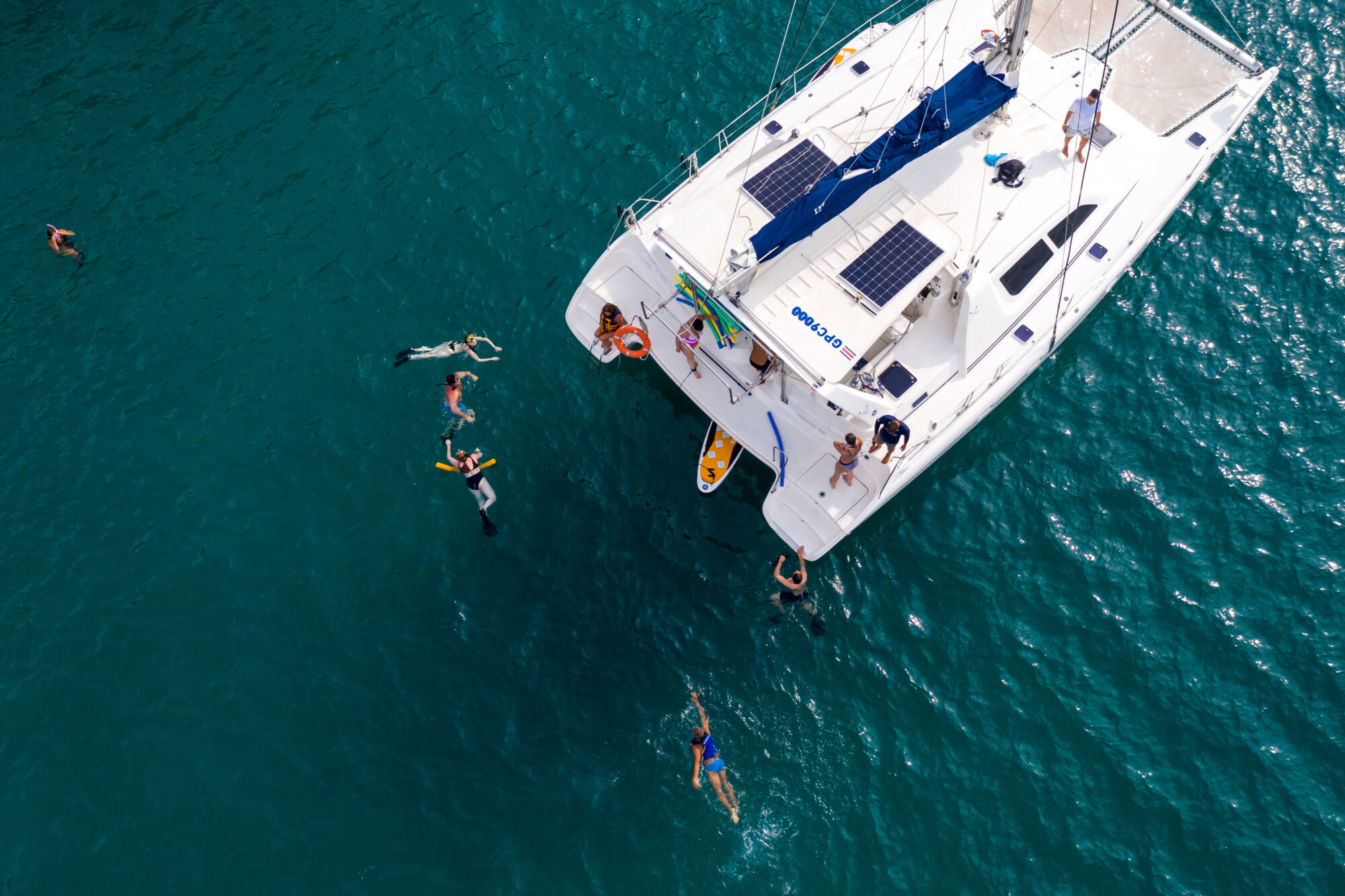
Snorkeling beside a catamaran in Guanacaste

The Pacific coast

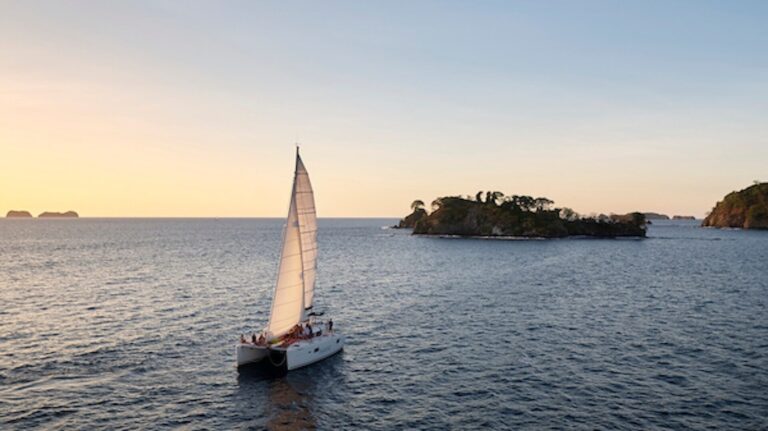
Warm water, quiet coves and sunsets that stop the conversation. The easiest day of your trip.

  • Catamaran sailing from Flamingo
  • Snorkeling, kayaks and paddleboards
  • Sport fishing in the Gulf of Papagayo
See the catamaran tour →
Who you might meet

The locals

All photographed in the places we visit. Your guide knows where each one likes to spend the day.
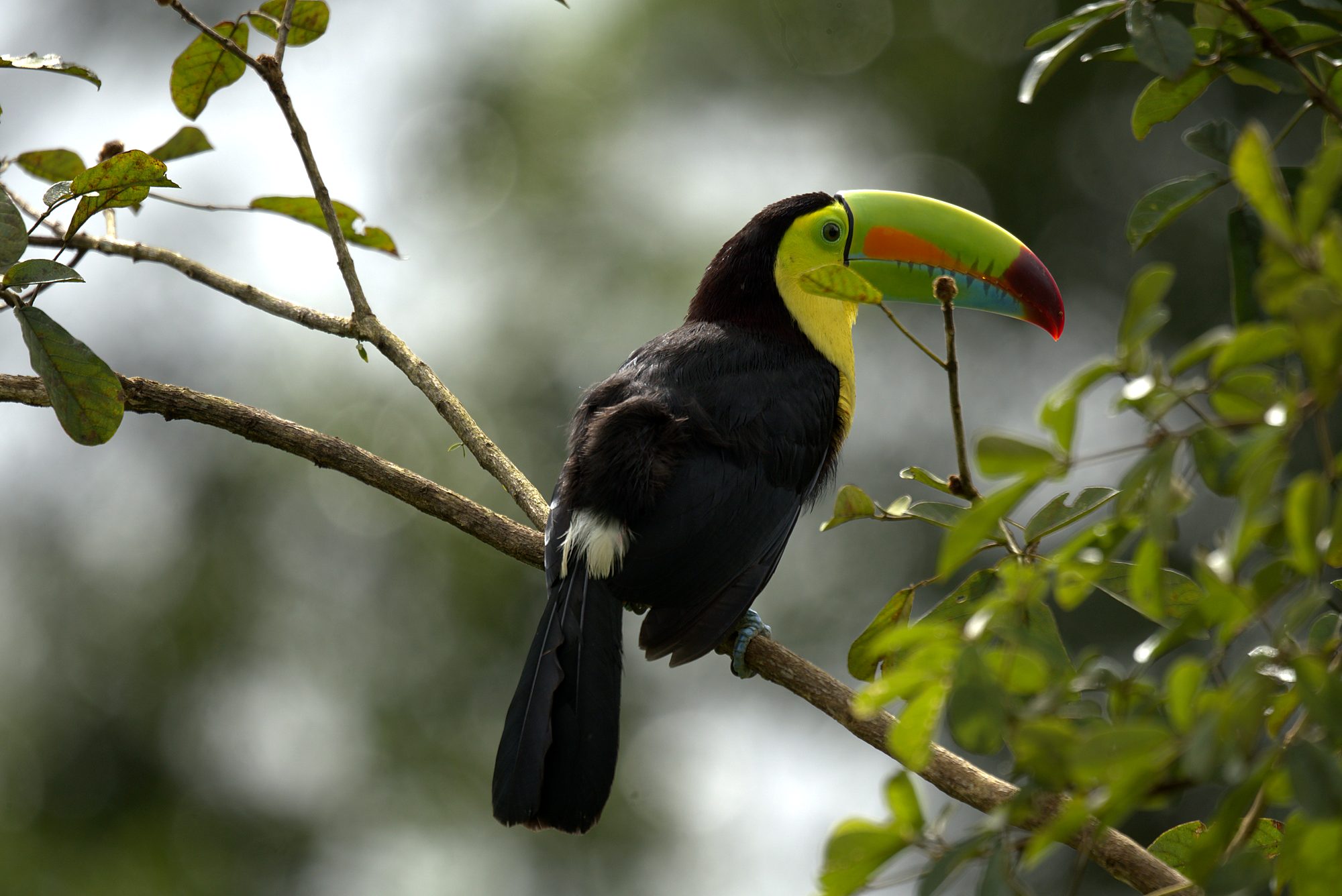
Keel-billed toucan
Keel-billed toucanRainbow bill, loud voice
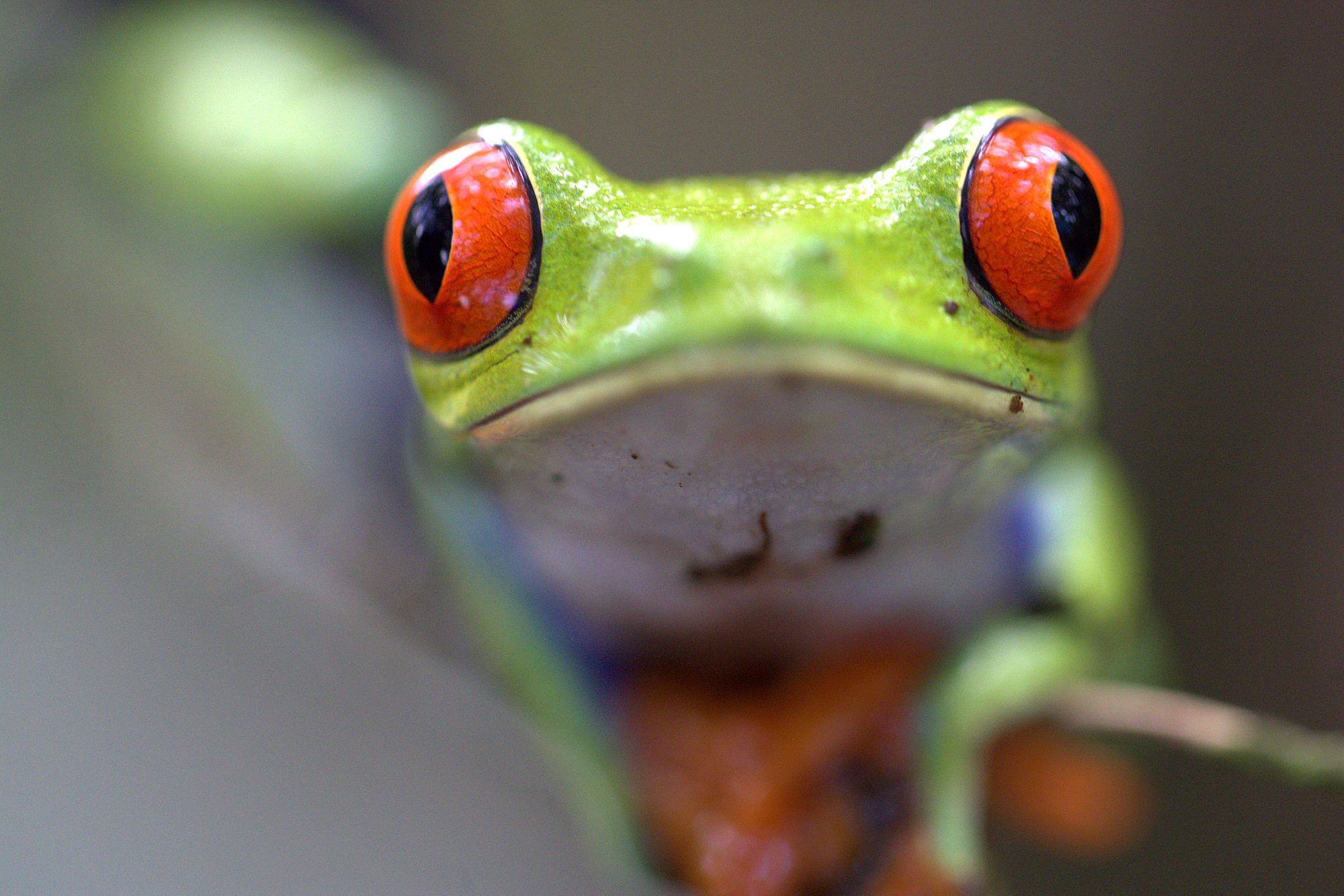
Red-eyed tree frog
Red-eyed tree frogSleeps all day under a leaf
Three-toed sloth
Three-toed slothIn no hurry at all
White-faced capuchin
White-faced capuchinThe curious one
American crocodile
American crocodileSunbathing on the riverbank
Mantled howler monkey
Howler monkeyYou hear it before you see it
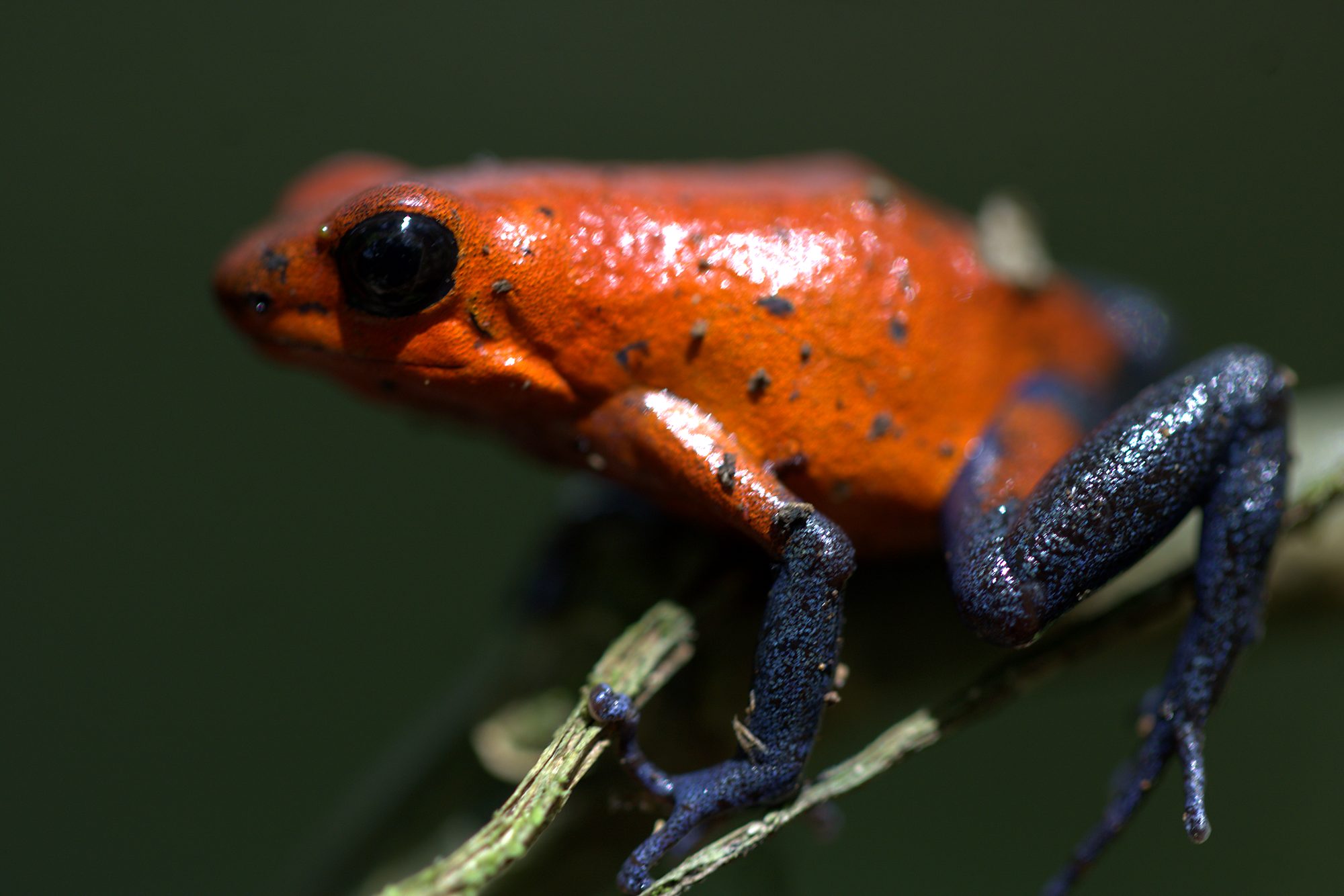
Strawberry poison dart frog
Poison dart frogThumbnail-sized, bright red
Culture

Guanacaste is cowboy country with a marimba soundtrack

The province has its own accent, its own music and its own holiday. Here is what makes it different from the rest of Costa Rica.
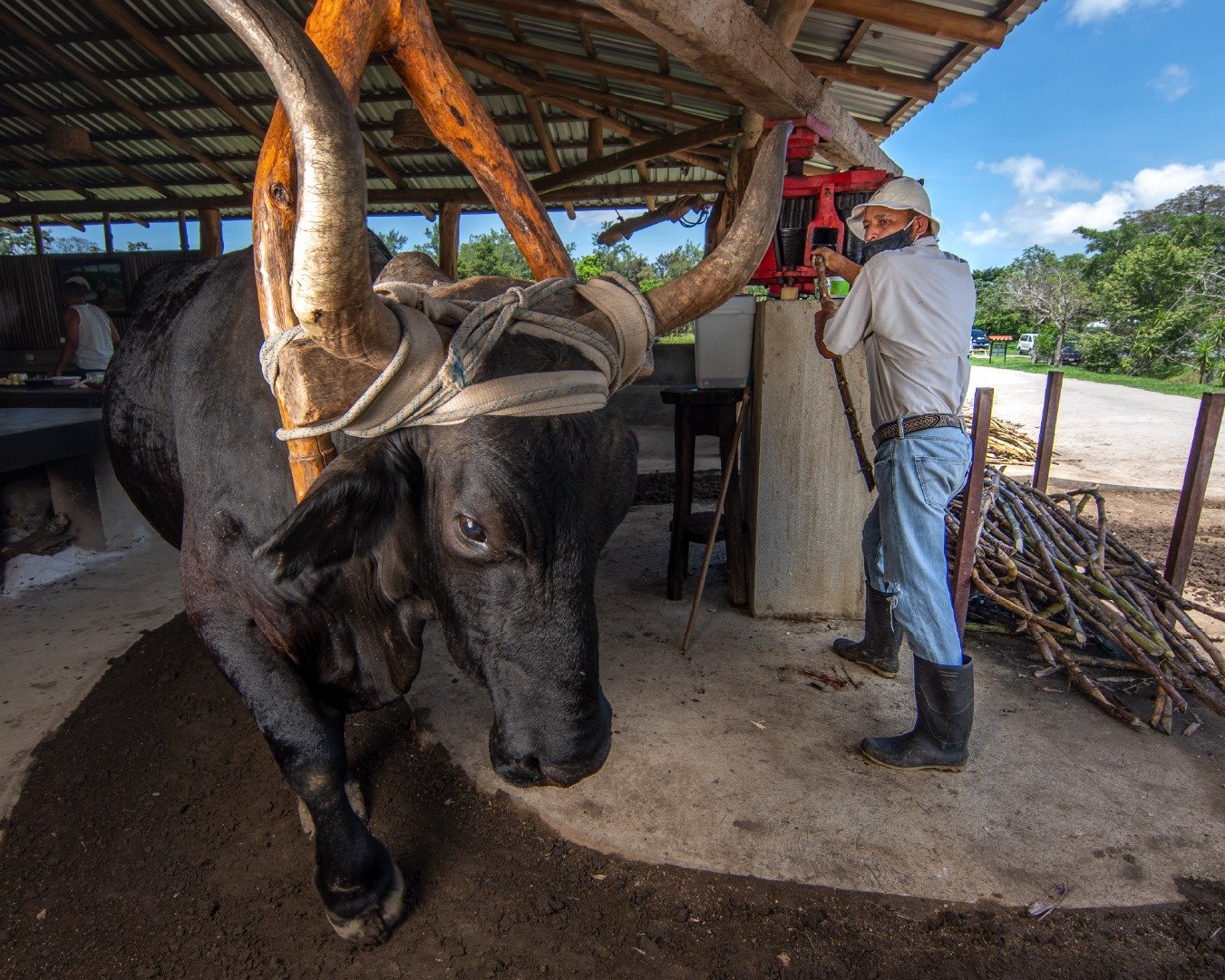
Ox turning a traditional sugarcane mill
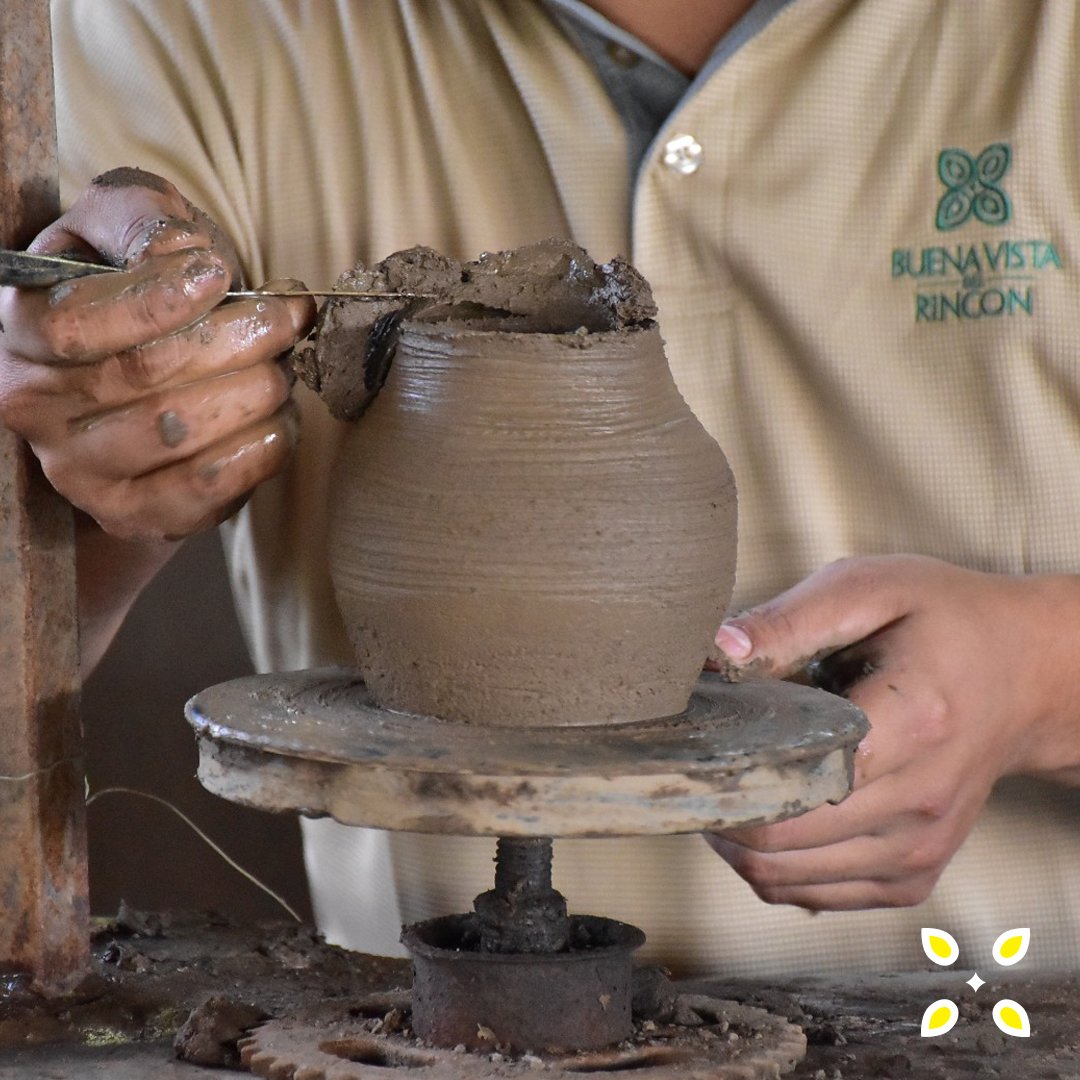
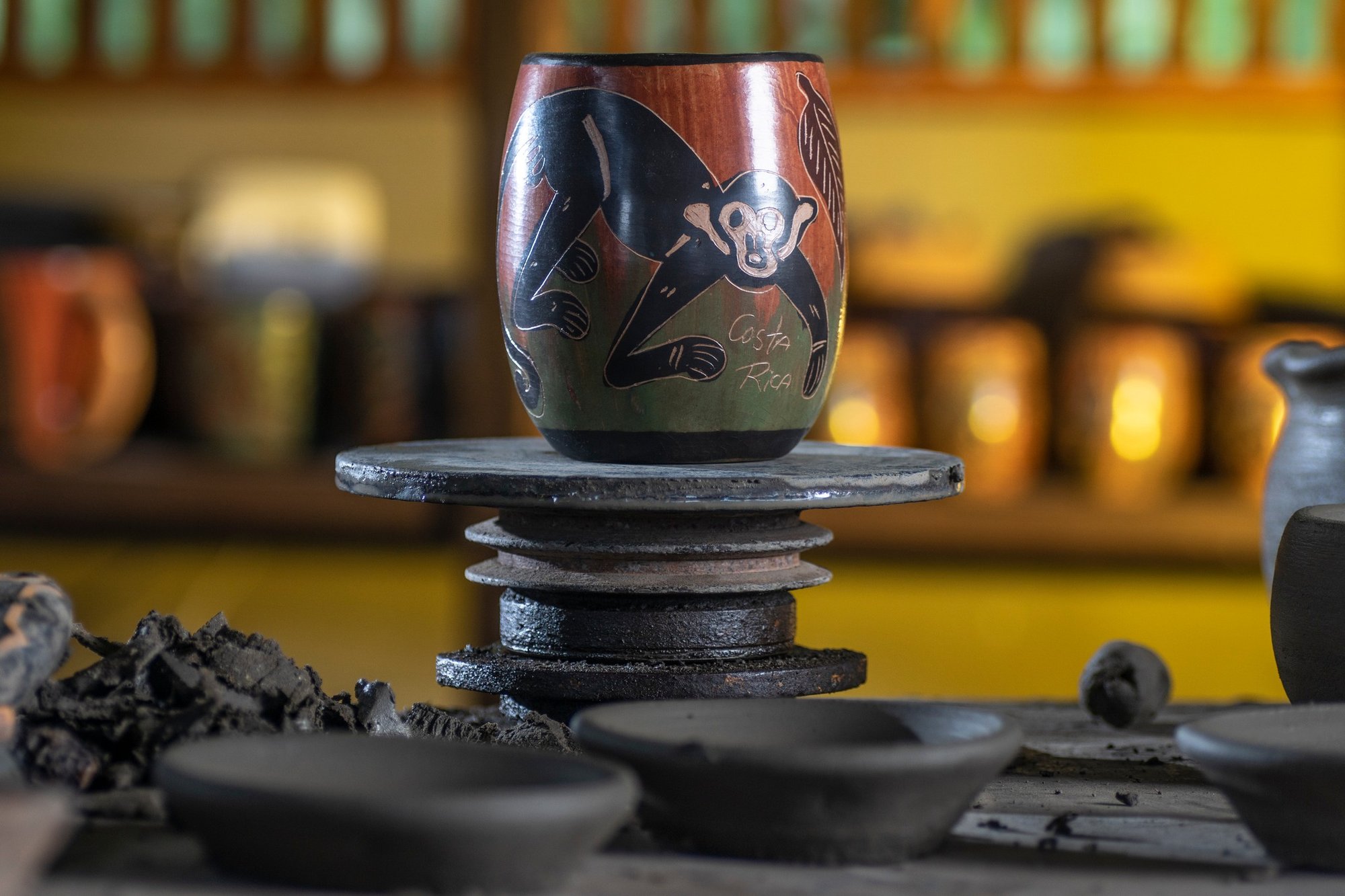
Hand-carved pottery on a potter's wheel
Potter shaping a clay pot on a traditional wheel
The province that chose Costa RicaIn 1824 the people of Nicoya voted to join Costa Rica. Every July 25, Guanacaste celebrates with marimba, folk dancing and horse parades.
SabanerosGuanacaste was built on cattle ranches. The sabanero, the local cowboy, is still part of daily life, and so are the horses.
Clay and painted oxcartsChorotega pottery is still shaped and painted by hand here. The bright painted oxcart that once carried coffee to the coast is a national symbol recognized by UNESCO.
A place where people live longerThe Nicoya Peninsula is one of the world's five Blue Zones, where reaching 90 and beyond is common.

Speak a little Tico

Food

Rice, beans, corn and very good coffee

Costa Rican food is simple and fresh. This is what a day at the table looks like.
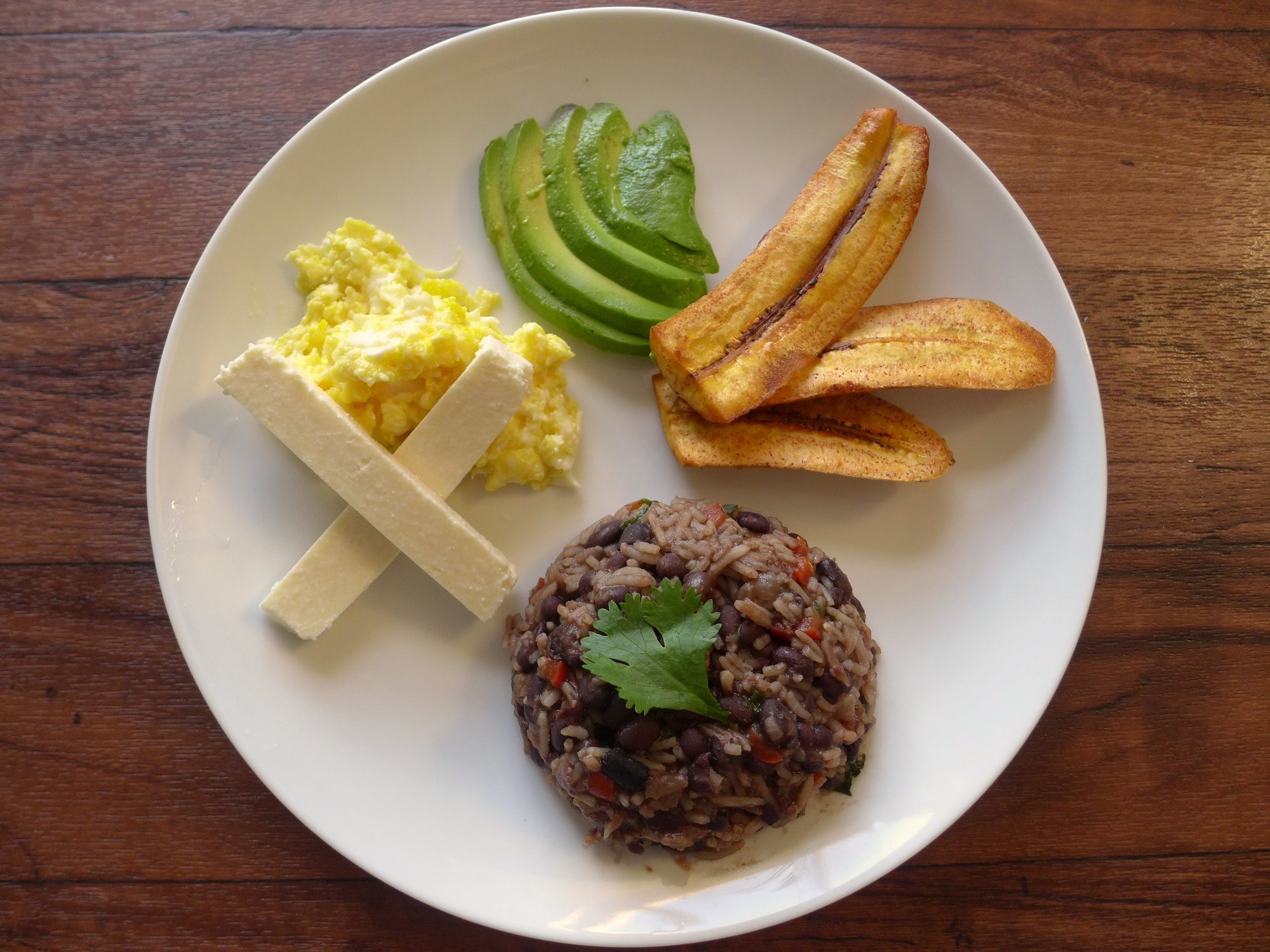
Gallo pinto breakfast plate
MorningGallo pintoRice and black beans fried together with onion, sweet pepper and cilantro. It comes with eggs, a tortilla, sour cream and coffee, and it is breakfast in every home.
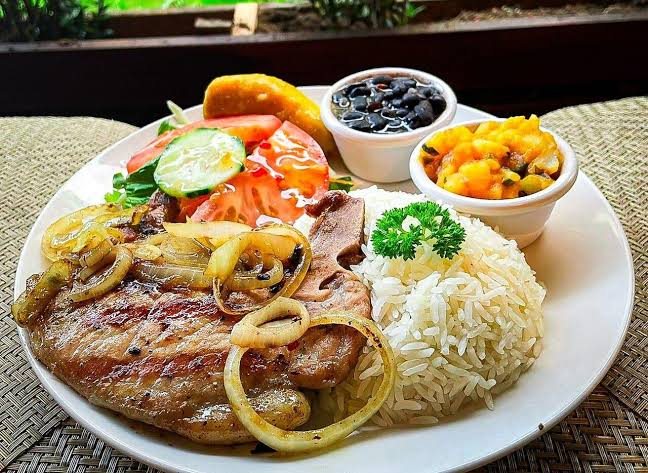
Casado lunch plate
MiddayCasadoThe everyday lunch plate: rice, beans, salad, sweet fried plantain and your choice of chicken, fish, pork or beef. It is the typical lunch on many of our tours.
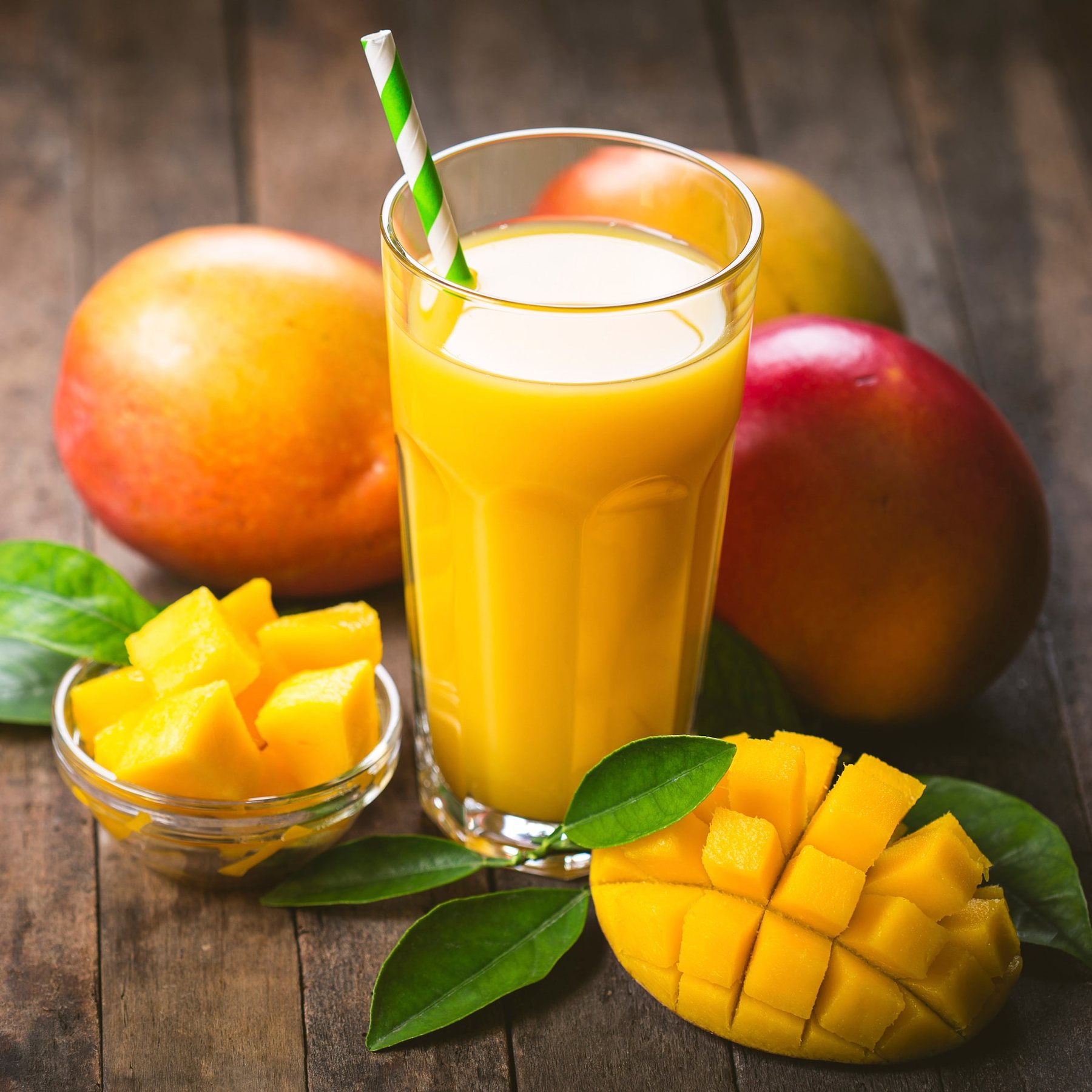
Fresh mango juice
AnytimeFruit and fresh juiceMango, pineapple, papaya and watermelon, plus juices you may not know yet, like cas and guanábana.
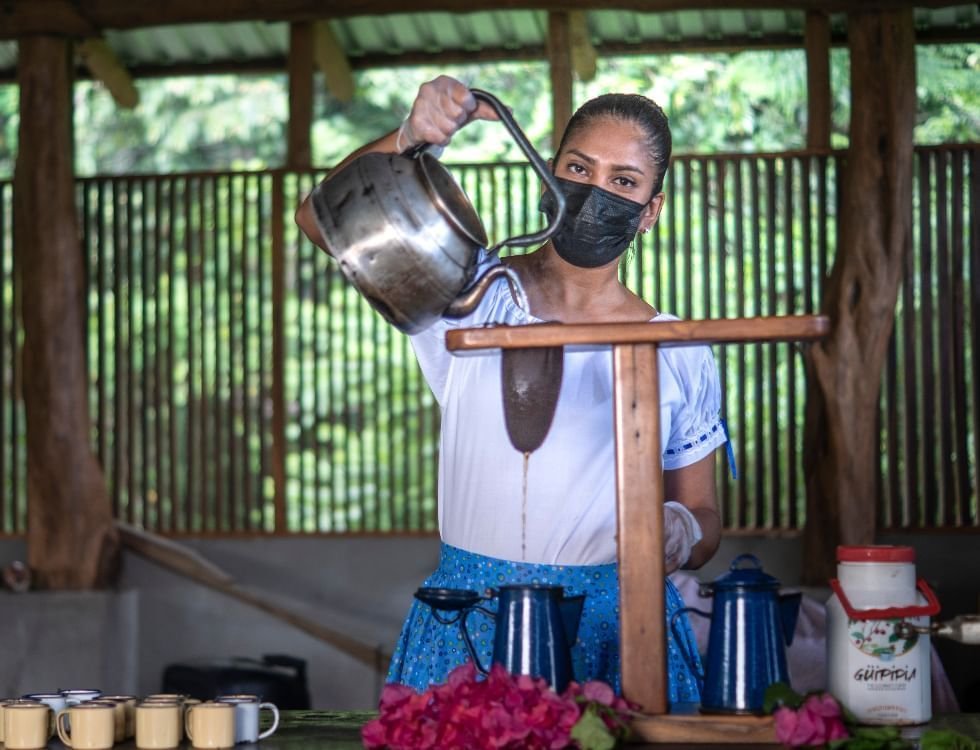
Coffee brewed with a cloth chorreador
AfternoonCafé chorreadoCoffee brewed slowly through a cloth filter called a chorreador. The afternoon coffee break is taken seriously.
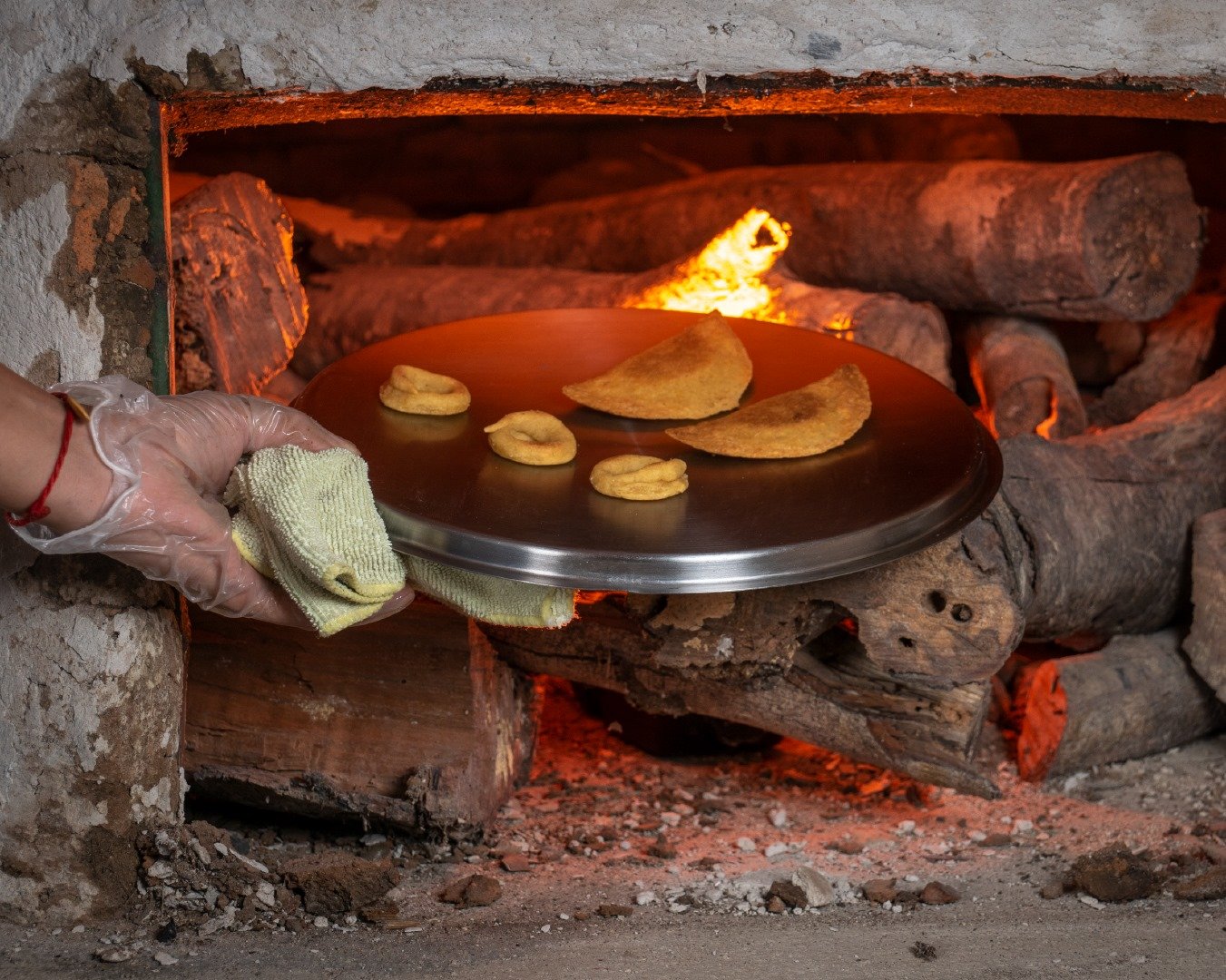
Corn rosquillas from a wood-fired oven
GuanacasteRosquillas and tortillasGuanacaste runs on corn. Thick handmade tortillas and rosquillas, crunchy corn and cheese rings, still come out of wood-fired ovens.
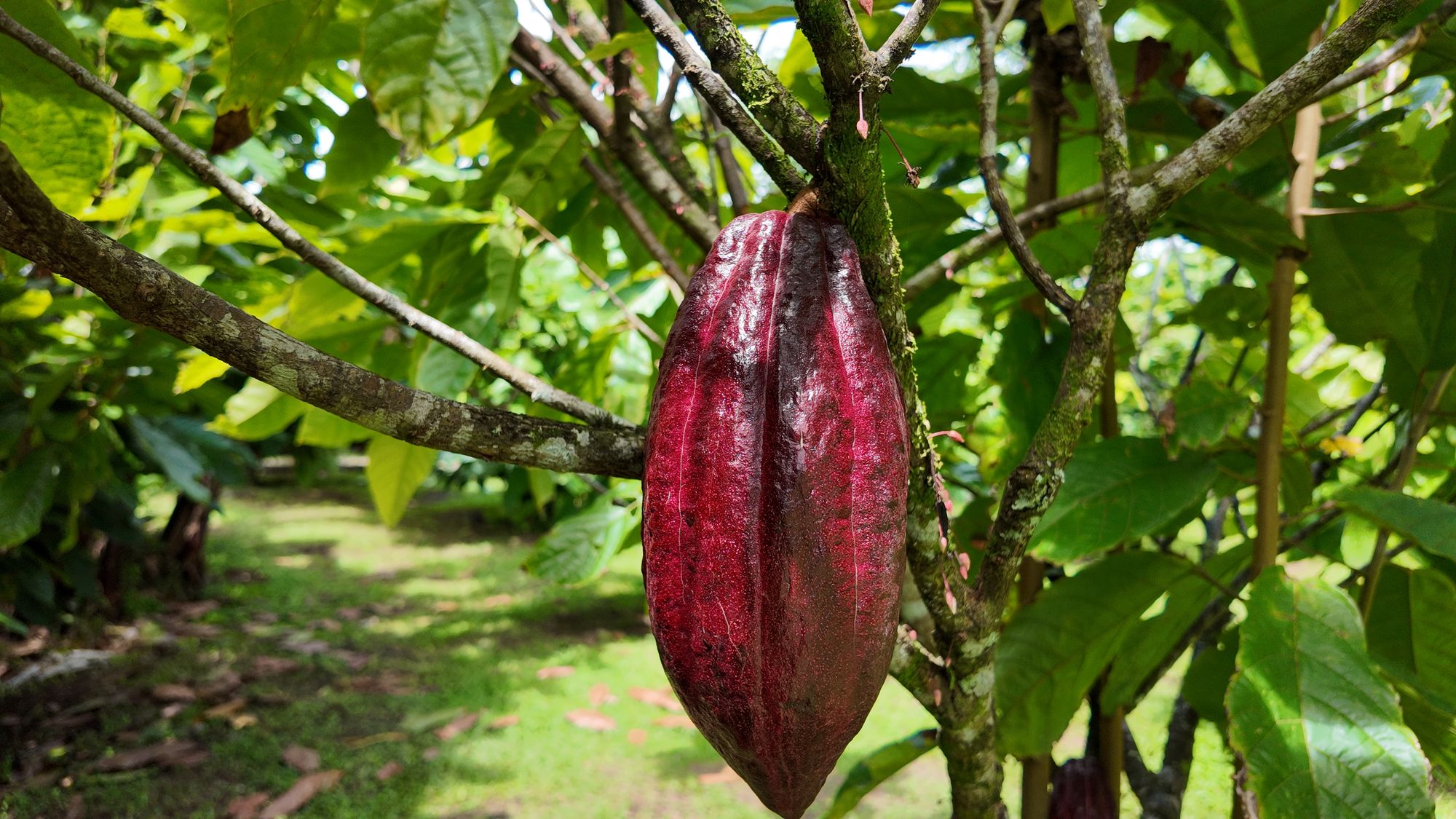
Ripe cacao pod on the tree
RainforestCacao and chocolateCacao grows in the rainforest of Tenorio. You can open a pod, taste the fruit and grind the roasted beans into chocolate yourself.
See the Chocolate & Coffee Experience →
Economy

The country that bet on nature and schools

Costa Rica made a few unusual decisions, and they explain why the forest you came to see is still standing.

1869Primary school becomes free and compulsory for everyone.
1948The army is abolished. The money goes to schools and hospitals.
1970sThe national park system is born. Santa Rosa, in Guanacaste, is one of the first parks.
1997The country starts paying landowners to keep their forest standing.
TodayForest covers more than half the country, up from about a quarter in the 1980s.

What Costa Rica sells to the world

  • Medical devicesthe country's top export
  • Pineapplethe world's largest exporter
  • Bananas and coffeethe classic crops
  • Tourismmillions of visitors a year
  • Guanacastecattle, sugarcane, rice and melons
98%

of the electricity is renewable

In most years, nearly all of Costa Rica's electricity comes from rivers, volcanic heat, wind and sun.

Guanacaste does its part: wind farms on the hills and geothermal plants on the slopes of the Miravalles and Rincón de la Vieja volcanoes.

When to come

There is no bad month. There are two different trips.

Tap a month to see what Guanacaste is like.
“Pura vida” is how we say hello, goodbye, thank you and everything is fine.
Pure life · the Costa Rican way
Good to know

The practical part

Getting hereLiberia airport (LIR) is in Guanacaste, close to the beach hotels.
EntryTravelers from the US, Canada and most of Europe do not need a visa for a vacation.
MoneyThe currency is the colón. US dollars and cards are accepted almost everywhere.
LanguageSpanish. All our guides speak English too.
PowerSame plugs and voltage as the US and Canada.
TimeCentral Time all year, with no daylight saving change.
Your turn

Which Costa Rica do you want to see first?